Roof replacement in Los Angeles
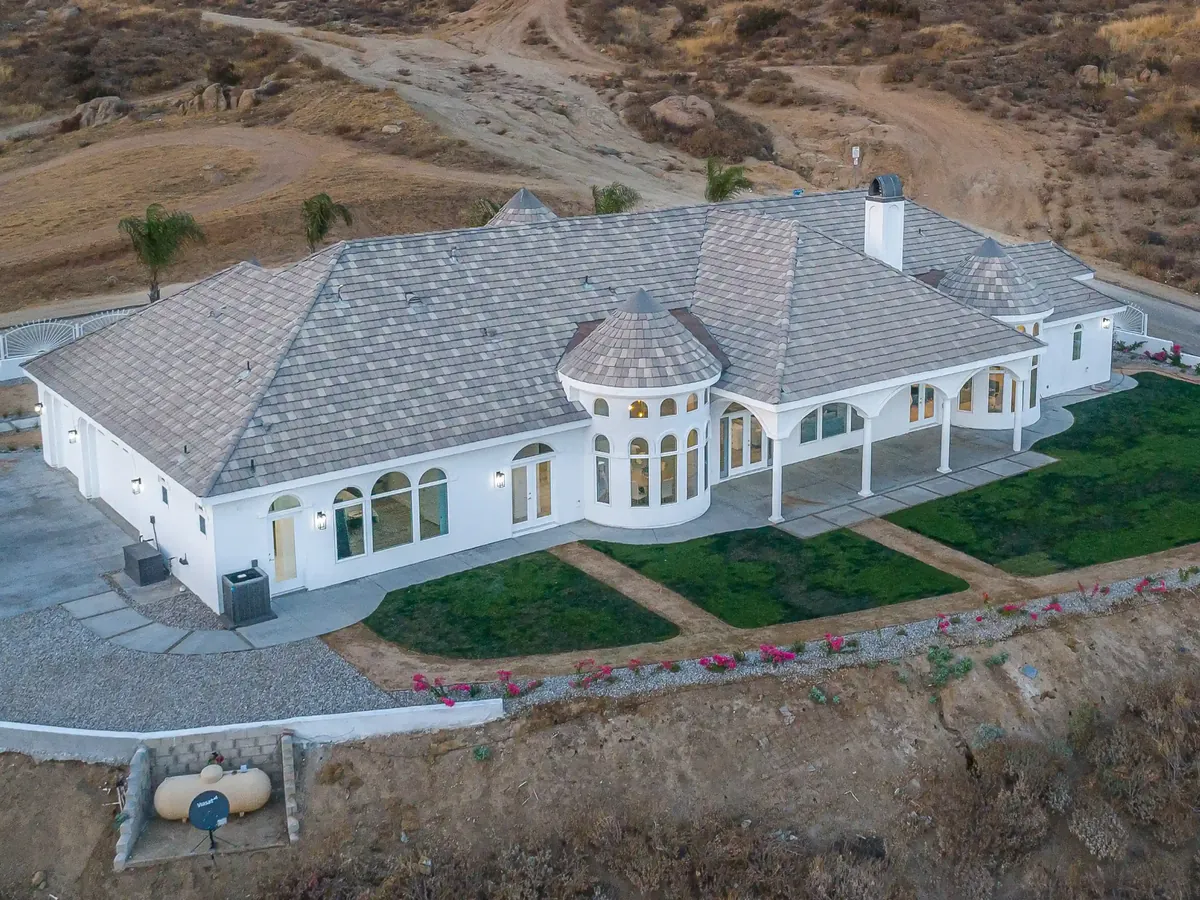
A roof replacement removes the old roofing down to the wood deck and builds a new roof system on top of it. It is the right job when the roof is worn out across the whole surface, not in one spot. Because we are general builders as well as roofers, rotted decking, cracked rafters and damaged fascia found during the tear-off are repaired by the same crew, under the same contract.
- Service
- Roof replacement
- Contractor
- LA General Builders, CSLB Lic #1044686
What a full replacement includes
A roof is a stack of layers, and the part you see is only the top one. Under the shingles, tile or metal sits an underlayment that does much of the waterproofing, metal flashing that seals every joint, and a wood deck nailed to the rafters. A full replacement renews all of the layers above the deck, and repairs the deck and framing where they need it.
That last part is where roofing jobs most often stall. When the old roof comes off, the wood beneath it is seen for the first time in decades. A roofing-only company has to stop and bring in a carpenter or a general contractor to fix what it finds. We do that work ourselves, so the roof is opened and closed on one schedule.
-
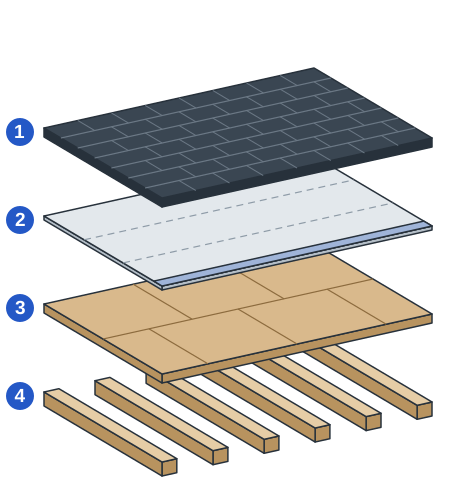
Every layer is renewed
Finish roofing (1), underlayment and flashing (2), and the deck (3) and rafters (4) where they need repair.
-

Down to the deck
The old roof comes off to the wood. Rotted boards are replaced, then underlayment covers the deck.
-
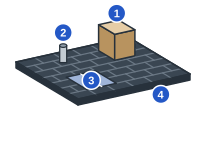
Every joint re-flashed
The chimney (1), vent pipes (2), skylights (3) and eave edges (4) all get new flashing.
Signs it is time to replace the roof
One of these on its own may only need a repair. Several together usually mean the roof has reached the end of its life.
- Shingles that are curled, cracked or bald, with granules collecting in the gutters
- Leaks that return after repairs, or show up in more than one room
- Tile that looks fine from the street but leaks, because the layer beneath it has worn out
- Sagging or soft spots you can feel underfoot, which point to a damaged deck
- Daylight visible through the roof boards from inside the attic
- A roof at or past the age its material is expected to last
How the job runs
The same steps on every job, from the first look at the roof to the final inspection.
Inspect and measure
We walk the roof and the attic, measure every plane, and note the vents, skylights, chimneys and walls the new roof has to seal against.
Written scope and price
You get a written scope that names the material, the underlayment, the flashing and how deck repairs are priced if we find any.
Permit and protection
We pull the permit where one is required, then cover landscaping, walkways and the driveway before any roofing comes off.
Tear off to the deck
The old roofing is removed down to the wood. We check every sheet of decking and the framing under it, and replace what has rotted or cracked.
Build the new roof
Underlayment goes on first, then new flashing at every edge, wall and penetration, then the finish roofing and ridge.
Clean up and final inspection
We haul away the debris, sweep the property for nails, and meet the building inspector for the final sign-off.
Roofing materials we install
The right material depends on the slope of your roof, what the framing can carry and how the house should look.
| Option | Best for | Good to know |
|---|---|---|
| Asphalt shingle | Most pitched roofs in the Valley | The lowest cost of the three pitched-roof options, with a wide choice of colors. |
| Concrete or clay tile | Spanish and Mediterranean style homes | Heavy, so the framing has to be built or checked for the load. The tile outlasts the layer beneath it. |
| Standing seam metal | Modern homes, low slopes and fire-exposed sites | Light and long-lasting, with no exposed fasteners. Costs more up front. |
| Flat roof membrane | Low-slope sections, garages and additions | A sealed membrane system, since shingles and tile do not work on a low slope. |
What sets the price
- Roof area, measured along the slope and not the floor plan
- Pitch and height, which decide how much safety equipment and labor the job takes
- The material you choose and the underlayment beneath it
- How many layers of old roofing have to come off
- Deck and framing repairs found once the old roof is removed
- Skylights, chimneys and other details that need new flashing
Permits and inspections
Most full re-roofs need a building permit from your city or the county, and the rules differ from one building department to the next. We confirm what applies to your address, pull the permit and meet the inspector, so the finished roof is signed off.
Questions homeowners ask
How long does a roof replacement take?
It depends on the size of the roof, the material and what we find under the old roofing. A simple shingle roof on a single-story house takes less time than a large tile roof. We give you a schedule with the written scope and update it if the tear-off uncovers repairs.
Can you install the new roof over the old one?
Building codes limit how many layers a roof can carry, and covering the old roof hides the deck, so damage under it goes unrepaired. We recommend a full tear-off because it is the only way to see and fix the wood beneath.
What happens if you find rotted wood?
We show you the damage, replace the affected decking or framing, and carry on. The repair is done by the same crew under the same contract, so the job does not stop to wait for another contractor.
Do I have to move out while the roof is replaced?
No. You can stay in the house. Expect noise during working hours, and keep cars out of the driveway while the tear-off is under way.
Do you handle the permit?
Yes. Where a permit is required we pull it, schedule the inspections and meet the inspector.
Get a price for your roof
Tell us about the roof and we will call you to set up a visit. Or call now and talk to an estimator.
818-741-5451See a price range in about a minute
LA General Builders, 8728 Zelzah Ave, Northridge, CA 91325
CSLB Lic #1044686