Tile roof underlayment replacement in Los Angeles
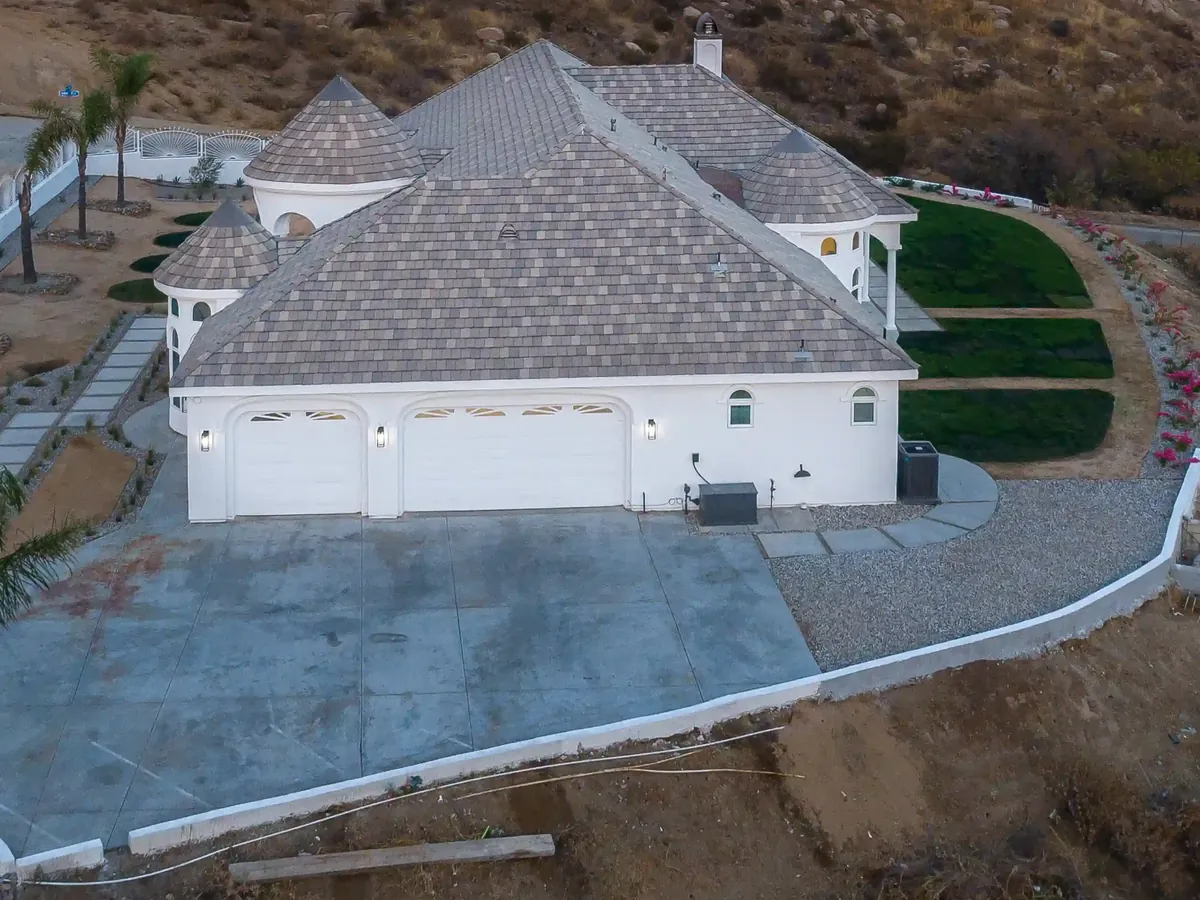
On a tile roof, the waterproofing is a layer of underlayment between the tile and the wood deck. Years of heat dry it out until it cracks and lets water through, while the tile above still looks good. Replacing the underlayment means lifting the tile, renewing that layer and the flashing, and relaying the same tile. You get a watertight roof without paying for new tile.
- Service
- Tile underlayment replacement
- Contractor
- LA General Builders, CSLB Lic #1044686
Why the tile comes off and goes back on
Clay and concrete tile can outlast several generations of underlayment. The underlayment sits in the heat under the tile for year after year until it dries, cracks and stops holding water out. At that point the roof leaks, usually first at the valleys and eaves where the most water runs.
There is no way to renew the underlayment from below or to patch it through the tile. The tile has to be lifted. The good news is that most of it can go straight back on. The work also exposes the deck, so it is the one chance to replace rotted wood and worn flashing before the roof is closed up again.
-
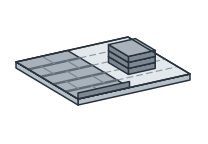
1. Lift and stack the tile
Tile comes off one section at a time and is stacked for reuse.
-

2. Renew the layer beneath
Old underlayment is stripped, the deck is repaired, and new underlayment and flashing go on.
-
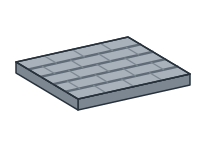
3. Relay the same tile
The original tile goes back and is fastened. Broken pieces are replaced with the closest match.
Signs the underlayment has failed
- Leaks on a tile roof with no broken tile above them
- Leaks that begin at valleys, eaves or where the roof meets a wall
- Underlayment that looks brittle, torn or curled where it shows at the eaves
- Stains on the eave boards or fascia
- Earlier patch repairs that did not hold
- A tile roof that has never had the underlayment replaced
How the job runs
The same steps on every job, from the first look at the roof to the final inspection.
Inspect and count the tile
We check the condition of the tile, estimate how much can be reused and find a match for the pieces that will need replacing.
Written scope and price
The scope names the new underlayment, the flashing to be replaced and how deck repairs are priced.
Lift and stack the tile
Tile is removed one section at a time and stacked on the roof or the ground, so the house is never left open.
Strip and repair
The old underlayment and battens come off. We check the deck and replace rotted wood, fascia and damaged framing.
New underlayment and flashing
New underlayment, valley metal, edge metal and wall flashing go on.
Relay the tile
The original tile goes back in place and is fastened. Broken pieces are replaced, and ridges and hips are finished.
Underlayment options
The underlayment is the part of this job that decides how long the roof stays dry, so it is worth choosing with care.
| Option | Best for | Good to know |
|---|---|---|
| Asphalt felt, double layer | Lower budgets | The traditional choice. It is the type most often found worn out under older tile roofs. |
| Synthetic underlayment | Most tile re-roofs | Tear-resistant and handles heat better than felt. Products vary, so we show you the one we propose. |
| Self-adhered membrane | Valleys, eaves and low-slope tile sections | Sticks to the deck and seals around fasteners. Often used with another underlayment across the rest of the roof. |
| Fire-rated underlayment or cap sheet | Homes in fire hazard zones | Some tile roofs need a specific underlayment to reach a Class A rating as an assembly. |
What sets the price
- Roof area and the number of valleys, hips and ridges
- How much of the existing tile can be reused
- The underlayment you choose
- How much flashing has to be replaced
- Deck, fascia and framing repairs
- Pitch, height and room to stack tile
Permits and inspections
Most full re-roofs need a building permit from your city or the county, and the rules differ from one building department to the next. We confirm what applies to your address, pull the permit and meet the inspector, so the finished roof is signed off.
Questions homeowners ask
Why replace the underlayment and not the whole roof?
Because the tile is usually still good. Relaying the existing tile over new underlayment gives you a watertight roof for less than a new tile roof.
How long does tile underlayment last?
It depends on the material and how much heat the roof takes. Older felt underlayments wear out well before the tile above them. Manufacturers publish a rated life for each product, and we show you the figure for the one we propose.
Will my roof look the same afterward?
Yes, apart from the replaced pieces. We relay the original tile and put the closest match where replacements are needed.
How many tiles break during the work?
Some always do, and older tile is more brittle. The written scope includes an allowance for replacement tile so it is not a surprise.
Can you do one section at a time?
Yes. If one slope is leaking and the budget is limited, we can renew the underlayment on that slope and plan the rest for later.
Get a price for your roof
Tell us about the roof and we will call you to set up a visit. Or call now and talk to an estimator.
818-741-5451See a price range in about a minute
LA General Builders, 8728 Zelzah Ave, Northridge, CA 91325
CSLB Lic #1044686